
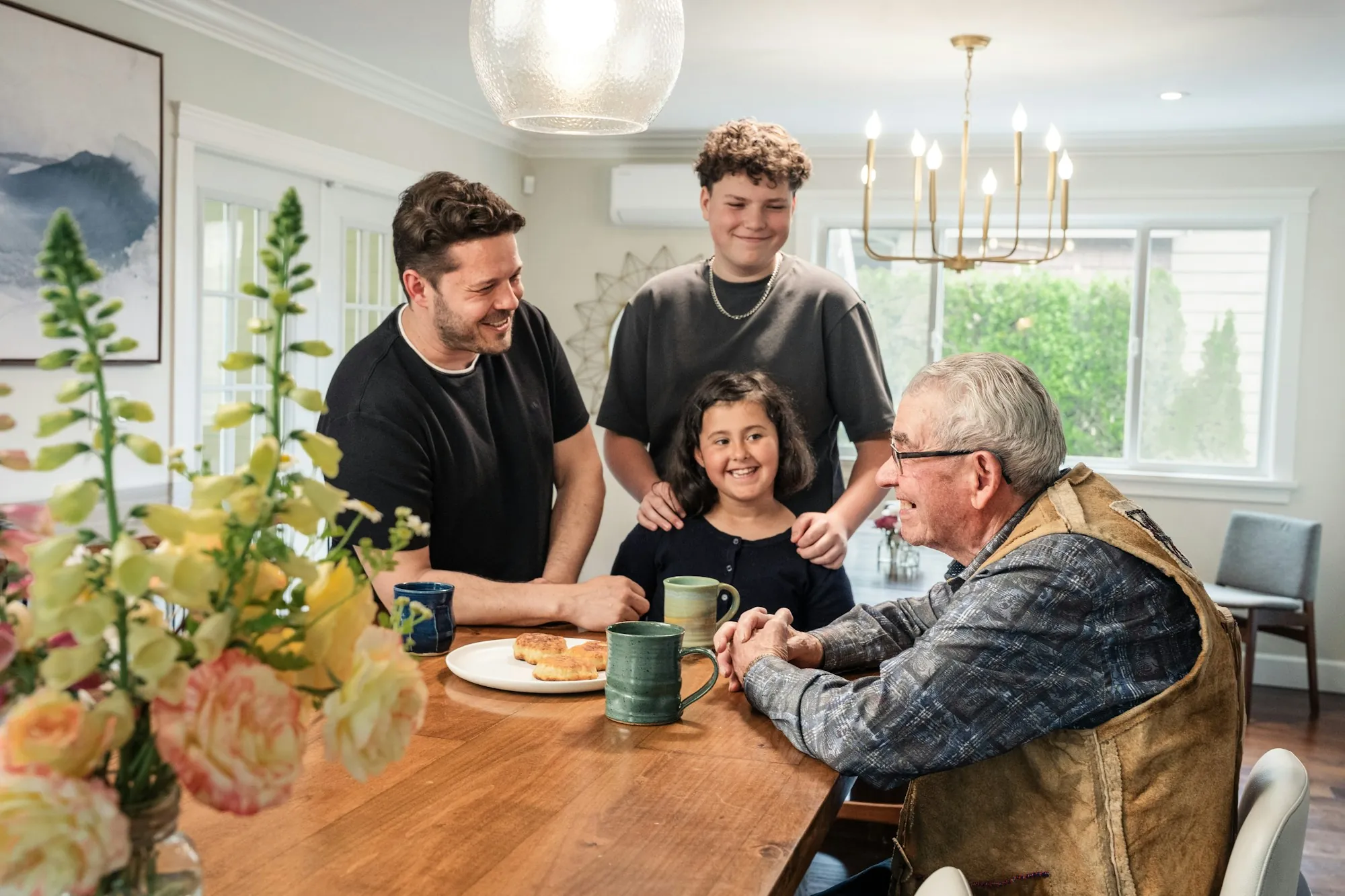
One aide, not a rota of strangers
Home Care in Oakland Park From One Familiar Aide
Washing, meals, company and safe movement around the house — arranged so the person at the door on Monday is the person who comes back on Thursday.
Why continuity is the whole argument
Three things stop working the moment the face keeps changing.
Consent
A person who refused a stranger on Tuesday will usually accept the same aide by the third visit. Rotate the aide and that progress resets every week.
Noticing
An aide who was here last week sees that the walking is slower or the fridge is fuller. Somebody new has nothing to compare it with.
Speed
The first twenty minutes of a visit go on orientation when the aide is new. With a familiar one they go on the work.
What an aide can take on
Eight services, drawn from the same hour, in whatever mix the day calls for.
Home Health Aide Services
Trained hands for the physical part of a day, from an aide the household keeps rather than one the rota picks.
What this covers →02Personal Care
The private half hour, handled by somebody the person has already agreed to.
What this covers →03Companion Care
Booked hours of company for somebody who copes perfectly well and sees nobody.
What this covers →04Bathing, Dressing & Grooming Assistance
Hands-on help in the room where most falls happen, on set days, from a face the person already knows.
What this covers →05Mobility Assistance & Fall Prevention
Steadier journeys indoors, and a look round that generally turns up two inexpensive fixes.
What this covers →06Meal Preparation & Nutrition Support
A cooked meal eaten with company, a stocked fridge for the gap days, and a record of what actually got finished.
What this covers →07Light Housekeeping
Washing, dishes and the bathroom kept in order during a visit already booked, by the aide already in the house.
What this covers →08Private Pay Home Care
Priced by the hour and settled in advance, with nothing to apply for and nobody else choosing the aide.
What this covers →How the rota protects it
One aide to a household
A household is assigned to an aide, not to the agency. That aide holds the visits unless something genuinely prevents it, and you are told when it does.
The days do not drift
Set days are treated as fixed points on the round. Other bookings are fitted around them rather than the other way about, because a moving schedule undoes most of the benefit.
A named second aide
One other aide is introduced early and kept in reserve. Holidays and sickness then mean a second familiar face rather than whoever is available.
The plan travels with the person
What they take in their tea, which shoulder is sore, the order the morning runs in. Written down, so the reserve aide is not starting from nothing.
Five steps to a settled week
A conversation about the person
Temperament before tasks. What they enjoy, what irritates them, what they will not tolerate from a stranger.
A visit to the house
The rooms, the equipment, the stairs. Half an hour here settles things an hour on the telephone cannot.
A proposed pairing
We name the aide we think fits and say why. Nothing is committed, and saying no at this point costs you nothing at all.
An introduction with no work in it
They meet, nothing is expected, and either side can say it is not right.
The reserve aide, then the first week
The second aide is introduced inside the first month, and a supervisor rings at the end of week one.
Ask who it would be before anything else
Describe the household and we will tell you which aide we had in mind and when they could start.
Describe the household — (954) 388-1640The streets an aide can hold
Oakland Park and the towns immediately around it, from Wilton Manors across to Lauderhill.
Keeping one aide on one household only works where the houses sit close enough together to make a sensible day. That is why coverage follows driving time rather than city limits, and why what is possible turns on the hours you are after.

Seven things households ask first
Do you cover weekends and holidays?
Visits are arranged around the household rather than around a working week, so weekends and public holidays are possible. Holiday weeks are the ones worth booking early, because the aides who cover them are spoken for sooner than the rest of the year.
What about long-term care insurance or VA benefits?
Some policies reimburse non-clinical home care and some do not; the same is true of veterans' programmes. We invoice the household and you claim against whatever you hold. Ask your insurer what evidence they want and we will make sure the invoices carry it.
Can we meet the aide, and turn one down?
Yes to both, and the second matters more than it sounds. The introduction has no work in it and nobody has to explain a refusal. Declining somebody at that stage costs nothing and is far better than enduring a poor match for a month.
What may an aide do, and what is off limits?
Washing, dressing, moving safely about the house, cooking, housekeeping, errands and company, plus prompting and recording medication. Not allowed: anything clinical — injections, wound care, measuring or administering doses, or any nursing judgement.
Is there a contract to sign?
No. Hours go up, down, pause or stop on a telephone call. There is no notice period and nothing to buy out, which is deliberate — a household that cannot leave easily has no real say in who comes.
How is the care plan written, and does it cost anything?
It is written after the visit and comes back to you for correction before anybody works to it. There is no charge for it and no charge for the assessment visit.
Can you help somebody with Alzheimer's or dementia?
Non-clinically, yes, and this is where continuity stops being a preference and becomes the service. A familiar face, the same days, the same order to the morning. Anything that needs clinical dementia nursing is outside what we do and we will say so.
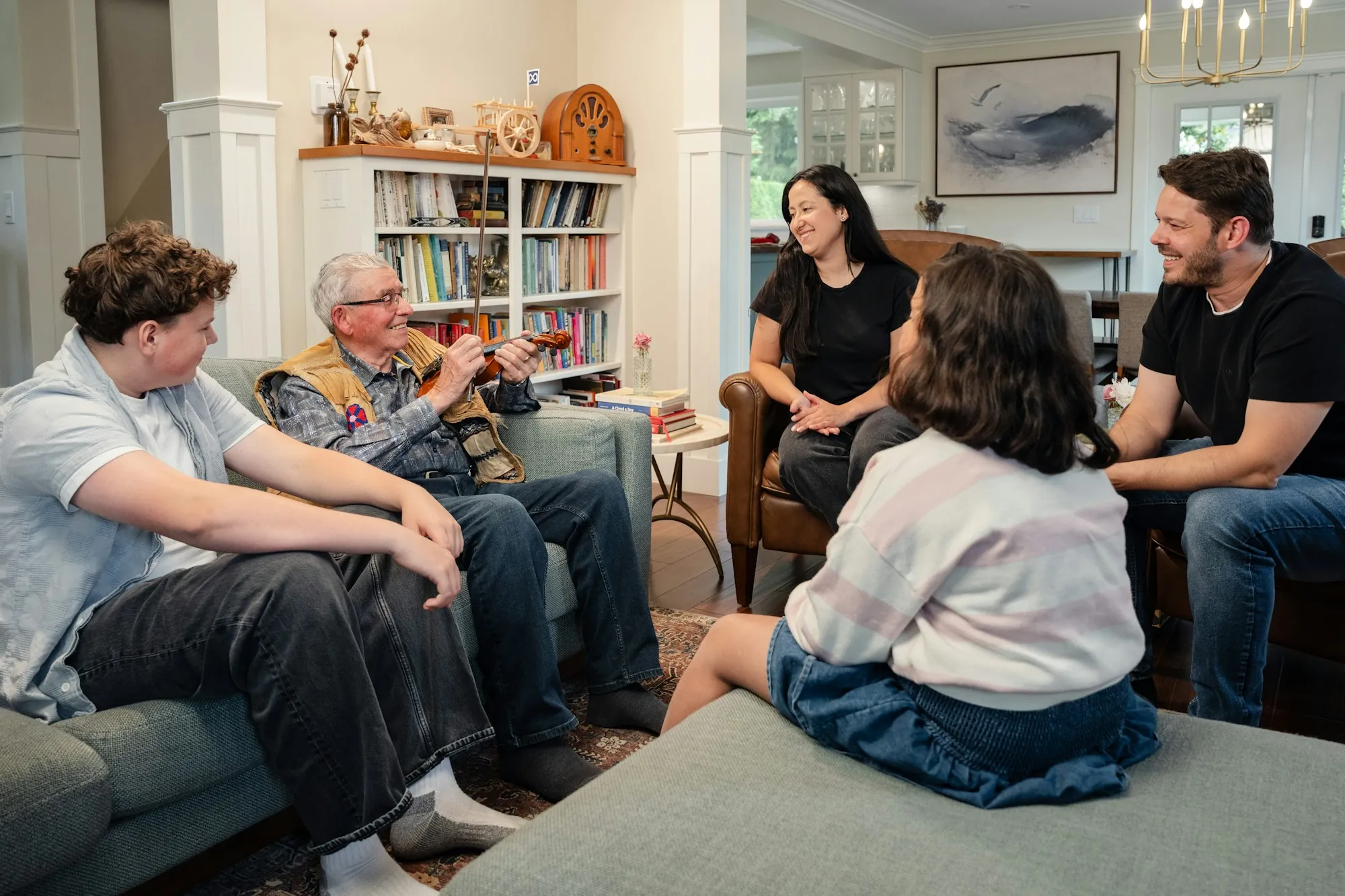
Start with the person, not the hours
Tell us who they are and what they will not put up with. The hours are the easy part.
Tell us about them — (954) 388-1640